

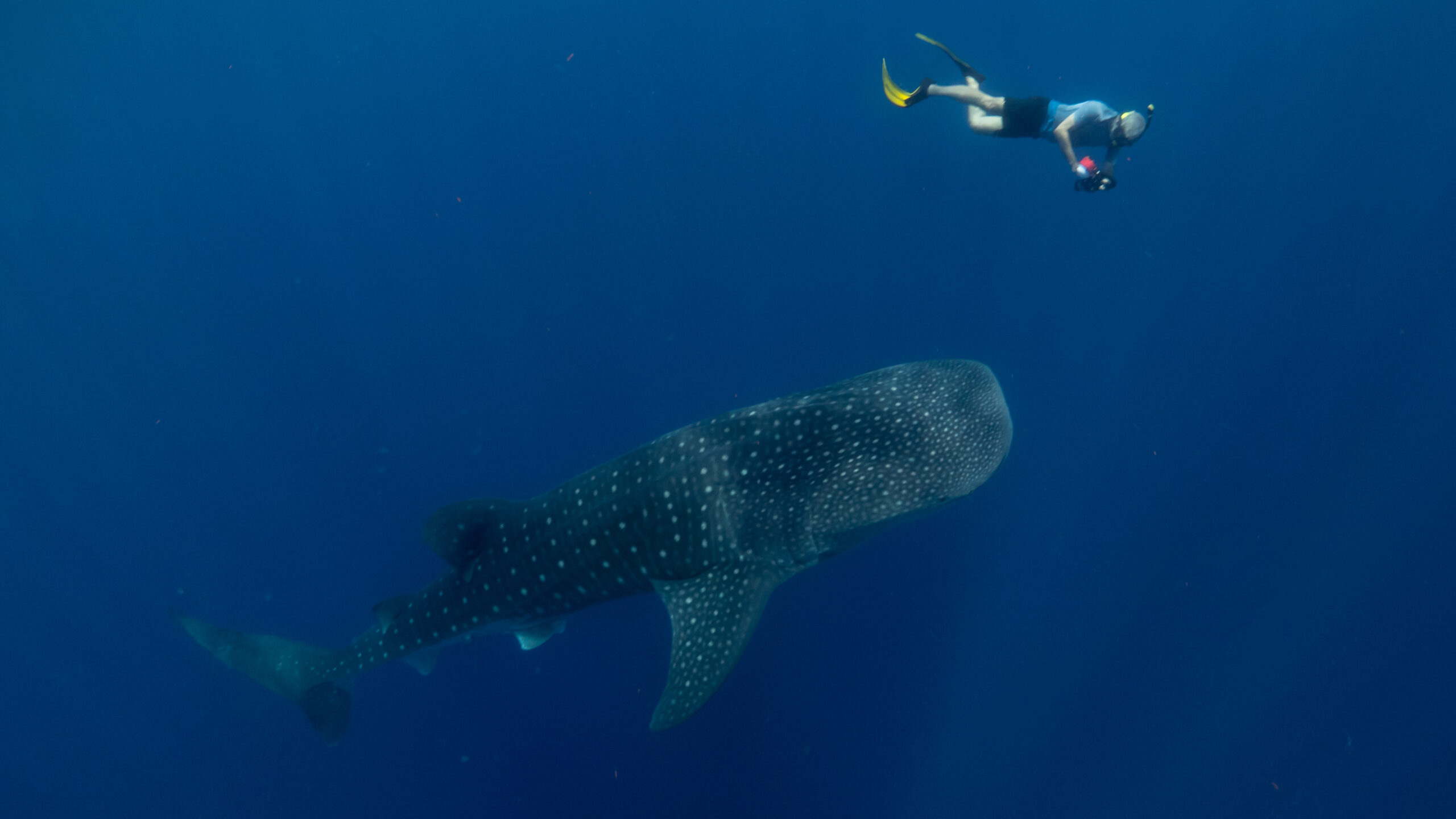
Swimming with giant marine species offers an unforgettable experience yet it also comes with serious responsibility. When visiting places like the Ningaloo Reef region in Western Australia, it’s vital that tourists and operators work together to protect both wildlife and habitat. This guide recommends best-practice behaviours, tour-selection criteria, and conservation context, while naturally referencing an in-depth resource on whale-shark swim opportunities.
Why sustainable whale-shark tourism matters
The world’s largest fish, the Whale Shark (Rhincodon typus), is a filter-feeder and generally harmless but its populations are vulnerable due to global threats and increasing tourism pressure.
- In Western Australian waters, whale‐shark sightings are reliably recorded from March to July, largely around Ningaloo Reef.
- Tourist participation in licensed snorkelling tours has risen steadily: data show more than 30,000 participants in 2018 in Ningaloo Marine Park.
- An organisation such as the Department of Biodiversity, Conservation and Attractions highlights that such growth requires strict regulatory protocols to avoid disturbance to the animals and their habitat.
Unchecked tourism can lead to behavioural changes in whale sharks (e.g., avoidance or stress), damage to coral reefs and marine life, and reduced quality of experience for visitors.
Key considerations when choosing a whale-shark tour
Selecting the right provider can separate a responsible tour from one that prioritises volume over the environment. Look for the following:
1. Licensed operation and eco-certification
- Operators should be licensed under relevant wildlife-management authorities (such as those due to the approach zones and interaction limits).
- Certification or partnership with conservation organisations demonstrates commitment for example, a provider participating in citizen science or donating part of revenue to research.
2. Small group size and clear interaction protocols
- Typical rules include a maximum of 10 swimmers at a time per shark, minimum distances of 3 m from the head/body and 4 m from the tail, no touching, no flash photography.
- Vessels must maintain distance, approach from ahead, slow speed limits these protect the animals and provide smoother experiences for swimmers.
3. Transparent logistics and educational briefing
- Check that the tour includes: a briefing about marine life, clear explanation of rules, properly fitted snorkel gear, and contingencies for no‐sighting days. For example, some operators guarantee a re‐trip if no shark is sighted.
- Ask about the support of spotter planes (to locate sharks efficiently) and the ratio of guides to swimmers. Transparency here is a plus.
4. Environmental responsibility
- Ask whether the operator contributes to research (photo-ID libraries, telemetry tagging), reduces waste, uses reef-safe sunscreen, and enforces rules.
- The tour should promote not only a ‘bucket list’ encounter but the long-term wellbeing of the ecosystem.
A practical timeline and preparation checklist
Whether you’re a first-timer or have snorkelled before, good preparation ensures a smoother and more responsible experience.
Pre-trip
- Book early during the season (March-July is peak at Ningaloo).
- Confirm your gear. Mask and snorkel often provided; fins sometimes optional. Bring your own reef-safe sunscreen.
- Check the provider’s departure location, transport, briefing time and what happens if the tour cannot locate a shark (weather, sea state, etc.).
On the day
- Arrive at the briefing ready. The guide will show you how to align your movements with the shark’s path, minimise splash and avoid disrupting the behaviour of the animal.
- Enter the water as instructed. Remember: whale sharks typically swim slowly (~3-5 km/h) and float near the surface to filter feed. That makes the experience immersive rather than a sprint.
- Follow all protocol: maintain distance, avoid sudden movements, do not chase or surround the shark, avoid flash photography, and keep fins below the surface to avoid risk to reef and other swimmers.
Post-trip
- Many tours capture photographs of the encounter; ask for them. These photos can contribute to photo-ID libraries that track individual sharks over time.
- Reflect on your experience: Did the operator respect guidelines? Did it feel educational as well as thrilling?
- Consider sharing your experience responsibly. Social media helps raise awareness when done thoughtfully.
What to expect during the encounter
Here are real-world behaviour and conditions drawn from the Ningaloo region to set expectations.
- Typical swims: Many tours report 3-4 “drop-ins” (entry sessions) per day depending on weather and shark availability.
- Sea conditions: Even though snorkelling takes place near the reef edge, open-sea swell can affect comfort. Some reviews specifically mention sea-sickness risk when conditions are choppy.
- Wildlife-rich surroundings: Beyond whale sharks, snorkelling at Ningaloo often includes turtles, manta rays, reef sharks and large coral systems all part of the experience if you’re with a good operator.
Why the “whale-shark tour” at Exmouth is a worthy option
For those planning an encounter in the Ningaloo region, the town of Exmouth offers excellent access to licensed tours. An informative overview of options, conditions, and operator choices is available in a comprehensive guide to whale shark tours in Exmouth. That resource includes route details, timing suggestions, gear checklists and booking advice. For more detail, see the article on whale shark tours Exmouth at the related dive company website.
Final insight: make the experience count for you and the shark
A swim with a whale shark should feel memorable, meaningful and mindful of the underwater world you’re entering. Choose an operator that honours the animal, the reef and the wider ecosystem. Book thoughtfully, prepare carefully and follow protocols closely this ensures your experience is thrilling and sustainable.
When you emerge from the water, you’ll have more than just a photo; you’ll have been part of an encounter rooted in respect.
