

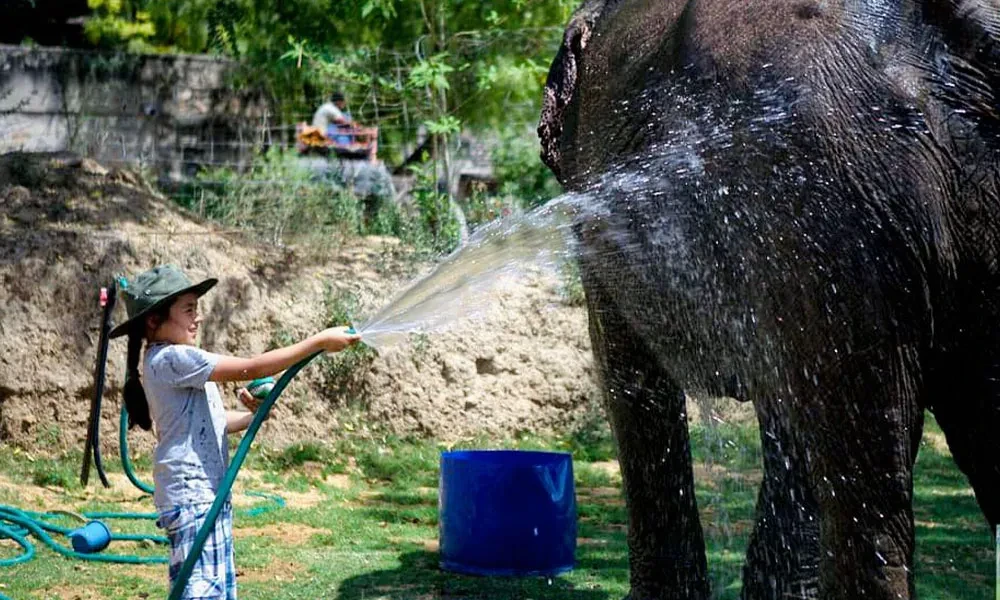
Respectful wildlife activities can create meaningful moments while protecting animals from stress. An elephant tour should focus on calm observation, gentle conduct, and responsible guidance rather than close contact. Visitors can learn about natural habits through careful watching while supporting places that put animal welfare first. Responsible choices encourage better care during an elephant tour koh samui.
Supporting Ethical Sanctuary Practices
Sanctuaries should provide surroundings that allow rescued animals to follow natural routines without pressure. Visitors can support this approach by observing quietly and keeping suitable distances. Staff guidance should remain clear throughout each activity so animal needs stay ahead of visitor interests.
- Follow staff instructions before approaching any designated observation area.
- Keep voices low when animals rest or move nearby.
- Avoid touching creatures unless trained caretakers clearly permit contact.
- Give animals enough room to change direction naturally.
- Never encourage unusual actions simply for photographs or attention.
Why Does Quiet Observation Matter?
Quiet watching allows visitors to notice movement, communication, and natural routines without creating unnecessary pressure. Sudden sounds or close approaches can disturb animals during rest or feeding periods. Calm behaviour creates a better setting for learning while allowing caretakers to maintain suitable conditions. Respect begins with understanding that observation does not require physical interaction.
Learning Through Guided Activities
Guided activities can explain animal behaviour using simple information that visitors can understand easily. Caretakers can describe daily routines, social relationships, habitat needs, and responsible visitor conduct. At an elephant tour koh samui, clear guidance can also encourage visitors to notice natural actions without interrupting them. Good explanations turn short visits into opportunities for greater awareness.
- Observe natural movement instead of requesting staged behaviour.
- Listen carefully when caretakers explain individual animal routines.
- Notice social signals without attempting to influence group behaviour.
- Ask respectful questions about protection practices and daily care.
- Keep personal belongings secure without distracting nearby animals.
Can Responsible Visits Encourage Protection?
Responsible visits can strengthen support for sanctuaries that place animal welfare above entertainment. Visitor choices influence which activities remain appropriate and sustainable over time. Selecting ethical settings encourages careful management, trained staff, and respectful visitor conduct. Each considerate action can contribute to stronger standards for wildlife protection.
A sanctuary visit becomes more meaningful when observation, learning, and respect remain connected. Responsible conduct can encourage continued support for places that protect rescued wildlife.
FAQ
What should visitors avoid during responsible wildlife observation activities?
Visitors should avoid loud sounds, forced contact, and sudden movements.
Why should visitors maintain distance around rescued wildlife?
Distance allows animals to move naturally without unnecessary visitor pressure.
What makes sanctuary guidance valuable during wildlife observation activities?
Guidance teaches respectful conduct while explaining natural animal behaviour clearly.
