

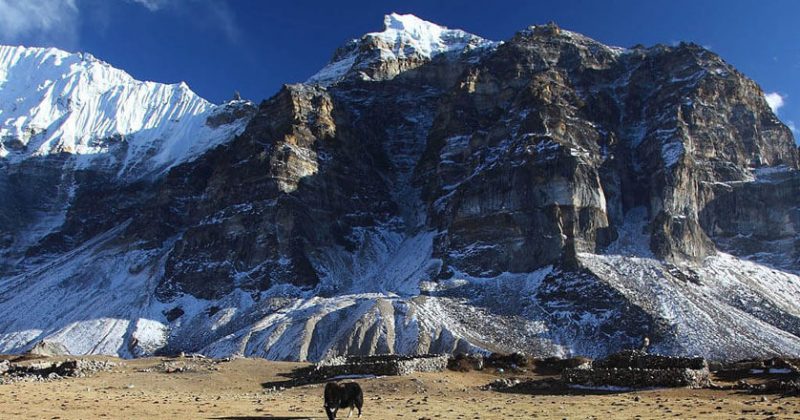
The Kanchenjunga Circuit Trek is one of the most adventurous and exhilarating treks in the world. Located in the eastern part of Nepal, Kanchenjunga Circuit Trek offers a unique blend of natural beauty, cultural diversity, and biodiversity. It is home to a diverse range of flora and fauna, making it a paradise for wildlife lovers and nature enthusiasts. In this article, we will explore the wildlife and biodiversity of the Kanchenjunga Circuit Trek.
The Kanchenjunga Circuit Trek: A Brief Overview
The Kanchenjunga Circuit Trek is a 25-day trek that takes you to the base camp of the third-highest mountain in the world, Kanchenjunga (8,586m). The trek begins in the town of Taplejung and takes you through the beautiful landscapes of the Kanchenjunga Conservation Area (KCA). The Kanchenjunga Conservation Area is one of the largest protected areas in Nepal, covering an area of 2,035 square kilometers. It is home to a wide range of flora and fauna, including endangered species such as the snow leopard, red panda, and Asiatic black bear.
Flora and Fauna of the Kanchenjunga Circuit Trek
The KCA is a biodiversity hotspot, home to over 2,000 species of plants and animals. The trek takes you through four different climatic zones, each with its own unique vegetation and wildlife. The lower region of the trek is dominated by lush subtropical forests, while the upper regions are characterized by alpine meadows and barren landscapes.
The Flora of the Kanchenjunga Circuit Trek
The KCA is home to a wide range of plant species, including rhododendrons, orchids, magnolias, and primulas. The lower regions of the trek are dominated by dense subtropical forests, which are home to a variety of trees such as oaks, map, les, and chestnuts. As you move higher up, the vegetation changes to pine, fir, and juniper coniferous forests. The alpine meadows are home to grasses, sedges, and alpine flowers such as primulas, gentians, and blue poppies. Above the treeline, the landscape becomes barren and rocky in the higher regions.
The Fauna of the Kanchenjunga Circuit Trek
The KCA is home to a wide range of animals, including some of the most endangered species in the world. The most iconic animal of the KCA is the snow leopard, one of the most elusive and rare big cats in the world. Other large mammals that can be spotted on the trek include the Himalayan black bear, red panda, musk deer, and wild yak. The KCA is also home to over 250 species of birds, including the endangered Impeyan pheasant, snow partridge, and Himalayan monal.
Conservation Efforts in the Kanchenjunga Circuit Trek
The Kanchenjunga Circuit Trek is located in the KCA(Kanchenjunga Conservation Area), which is a protected area managed by the Government of Nepal. The conservation efforts in the area are focused on preserving the biodiversity of the region and promoting sustainable tourism. The local communities are actively involved in the conservation efforts and have established community-managed conservation areas to protect wildlife and vegetation.
Conclusion
The Kanchenjunga Circuit Trek in the Himalayas is not only a trek to the base camp of the third-highest mountain in the world but also a journey through some of the most pristine and biodiverse landscapes in the world. The trek offers a unique opportunity to witness rare and endangered species of flora and fauna in their natural habitat. However, it is important to remember that we are visitors in their home, and we must take responsible steps to ensure that we do not harm the environment or the wildlife.
